
Are We in a Constitutional Crisis?
Defining the Line Between Strain and Breakdown

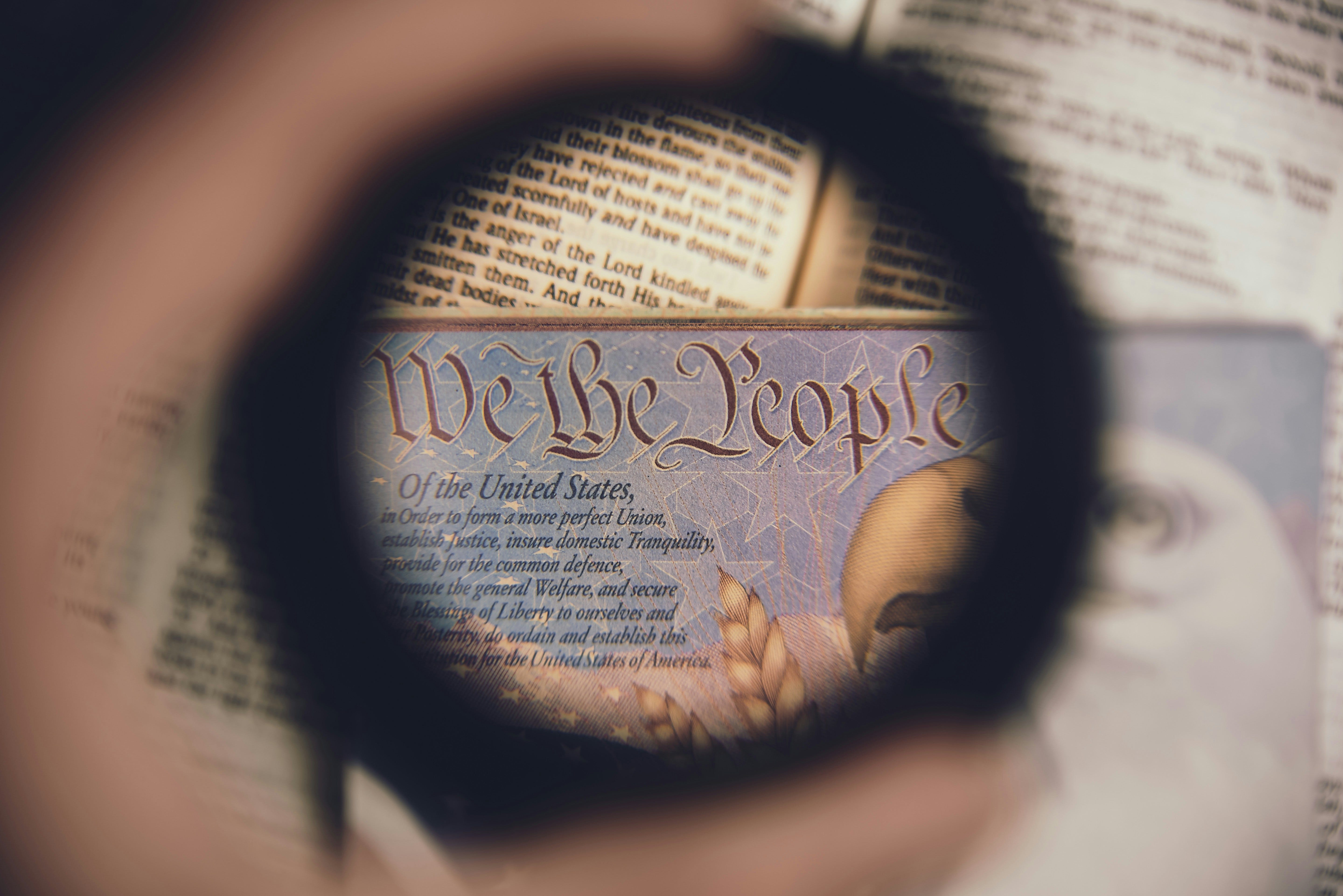
The phrase “constitutional crisis” gets used a lot right now.
Sometimes it’s said in anger.
Sometimes in fear.
Sometimes as shorthand for everything feels wrong.
But not every political conflict is a constitutional crisis.
Not every controversial decision qualifies.
So before we go any further, it matters that we slow down and define what we actually mean.
Because words shape how we understand moments like this.
Constitutional Strain vs. Constitutional Crisis
In constitutional scholarship, there’s an important distinction between constitutional strain and constitutional crisis.
Strain looks like:
intense political conflict
erosion of norms
aggressive use of legal authority
partisan battles over power
Democracies can survive strain.
They often do.
Strain is uncomfortable. It’s destabilizing. It can be deeply damaging. But it does not automatically mean the system has broken.
A constitutional crisis is different.
A crisis usually involves one or more of the following:
branches of government refusing to recognize each other’s authority
defiance of binding court orders
collapse of enforcement mechanisms
executive power operating outside constitutional constraint
In other words, the system stops functioning as designed.
That distinction matters.
The Constitution Is Not Self-Enforcing
One of the most common misunderstandings about democracy is believing that the Constitution protects itself.
It doesn’t.
The Constitution is a framework, not a force field.
It depends on:
courts issuing rulings
institutions enforcing them
branches respecting limits
oversight being allowed to function
and citizens expecting accountability
Rights only exist if they are respected and enforced.
Without those guardrails, even beautifully written laws become symbolic.
What History Teaches
Historically, constitutional breakdown rarely begins with tanks in the streets.
It begins quietly.
With ignored rulings.
With weakened oversight.
With emergencies that become normalized.
With dissent reframed as threat.
With power justified as “necessary.”
Institutions often remain standing.
Courts still exist. Agencies still operate. Elections still occur.
But their purpose changes.
The appearance of democracy survives, while its substance slowly drains away.
That’s why these moments are so difficult to recognize in real time. There’s rarely a single dramatic turning point. Instead, there’s accumulation.
Small precedents.
Selective enforcement.
Shrinking accountability.
Erosion.
Why Definitions Matter Right Now
When people ask whether we’re in a constitutional crisis, what they’re really asking is this:
Are checks still functioning?
Are rulings being respected?
Is power still constrained?
Or are those mechanisms being gradually neutralized?
This isn’t about party.
It’s about process.
Democracy doesn’t fail when people disagree.
It fails when disagreement is replaced by unilateral power.
You don’t wait until collapse to pay attention.
You pay attention when strain begins hardening into precedent.
So Where Are We?
Most scholars would say we are still in a period of serious constitutional strain.
But strain, left unaddressed, becomes crisis.
That’s why this series exists.
Not to declare collapse.
Not to stoke panic.
But to understand warning signs while there’s still time to respond.
History doesn’t usually ask whether we felt alarmed.
It asks whether we were paying attention.
Very well said. Everyday I wake up hoping for any kind of change, but unfortunately right now it’s more of the same.