
From Budapest to the Strait of Hormuz: When Strongmen Push the World to the Brink

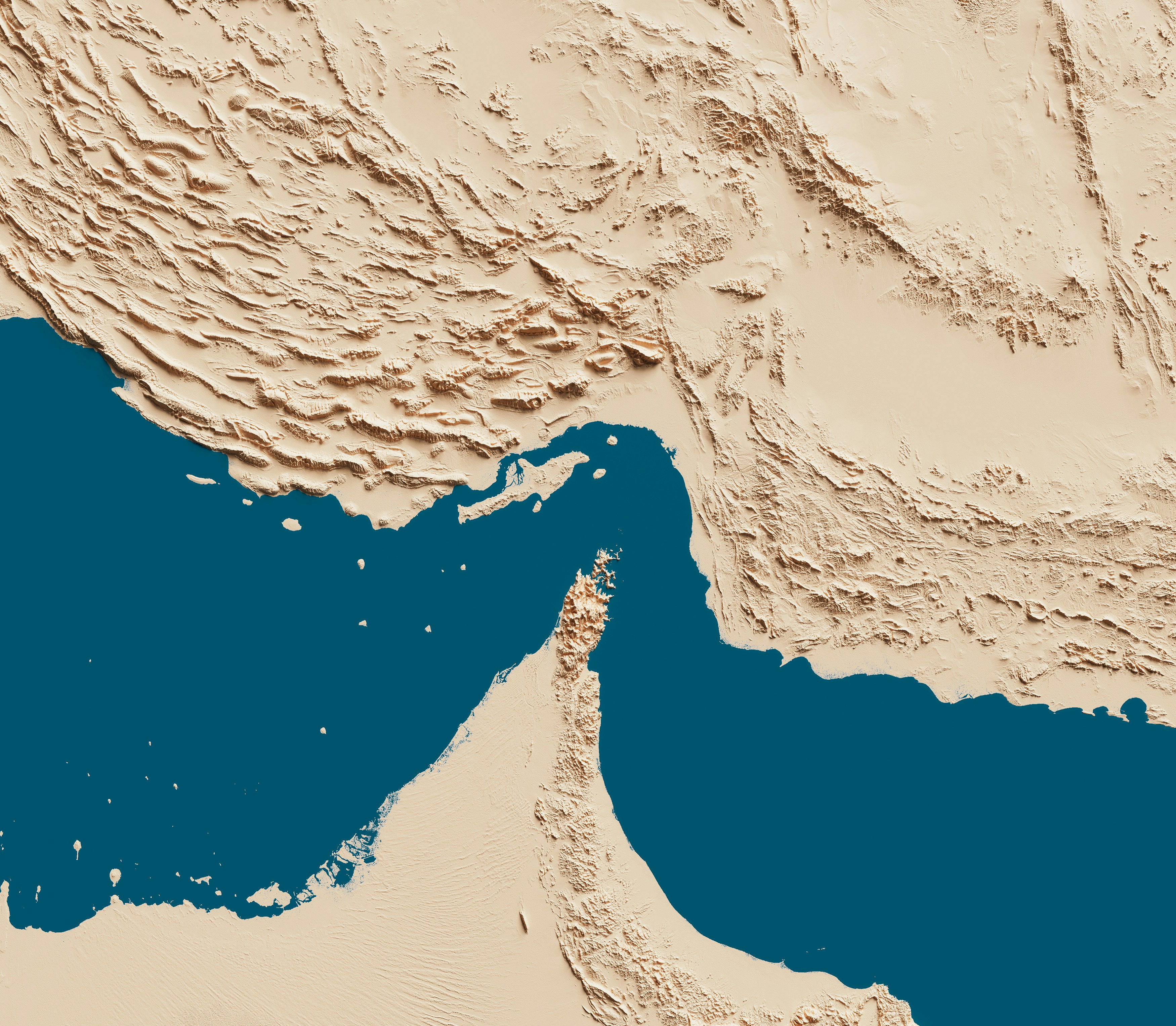
Photo by Planet Volumes on Unsplash
Over the weekend, the world watched two very different stories unfold. In Hungary, voters finally ended Viktor Orbán’s 16‑year experiment in “illiberal democracy,” handing his opponent a landslide and what looks like a constitutional‑level majority. In the United States, our own strongman president spent the same weekend escalating a war with Iran, threatening a blockade of the Strait of Hormuz, attacking the Pope as “weak” and “terrible” on foreign policy, and posting AI images of himself as a messianic savior. The contrast says a lot about where this global strongman project is, and where it might be headed.
Start with the war. The latest round of talks with Iran collapsed, and instead of backing away from the edge, Donald Trump moved closer to it, announcing a naval blockade on Iranian ports and signaling a partial closure of the Strait of Hormuz, a narrow waterway that carries a huge share of the world’s oil and other essentials. A move like that isn’t just another “tough on Iran” sound bite; it’s an escalation that risks global energy shock and miscalculation between militaries in a tight, highly militarized corridor. While Pope Leo has been pleading for de‑escalation and calling the war “absurd and inhuman violence,” Trump’s response has been to label him “weak on crime” and “terrible for foreign policy,” as if opposing a wider war is some kind of character flaw.
Then, as if the message wasn’t clear enough, he added visuals to the theology. Within hours of attacking the Pope, Trump posted AI‑generated imagery depicting himself in Jesus‑like form, robes, healing, the whole thing, casting himself not just as a president with strong views, but as a quasi‑sacred figure at the center of a holy struggle. That’s not normal political communication in a democracy; it’s personality cult propaganda dressed up in Christian aesthetics. And here’s the important part: even some in the MAGA ecosystem flinched. You could see it in posts and comments from hard‑right influencers and rank‑and‑file supporters who are usually all‑in; they were suddenly saying the quiet part out loud, that attacking the Pope while literally posting yourself as a messiah is a bridge too far. When people inside the movement start calling blasphemy on their own leader, something is cracking.
Which brings us back to Budapest. Orbán has been one of Trump’s favorite models abroad: a nationalist leader who captured institutions, rewrote rules, demonized migrants, and bragged about building an “illiberal” state that still wore the outer costume of democracy. Hungarian voters just tore that costume off. They turned out in huge numbers and handed Péter Magyar’s party a mandate big enough to start undoing the system Orbán built. It won’t be easy, and it won’t be instant, but it proves a point Americans need to remember: strongmen are not inevitable. Their projects can be stopped, and sometimes it happens in one decisive election when enough people decide they’re tired of living at the edge of someone else’s brink.
For those of us watching from here, the lesson is not to shrug this off as “just Trump being Trump.” When a president edges toward blockading one of the world’s most important waterways, attacks the Pope for refusing to cheer it on, and literally casts himself as a Christ figure, you’re looking at a politics that demands worship, not accountability. The good news is that cracks are showing, even in his own base, and even in his global network of allies. The task for the rest of us is to keep naming what we’re seeing, refuse to normalize it, and remember that people in places like Hungary just showed us something simple and radical: you can vote the brink back from the edge.