
Manufacturing Security Crises

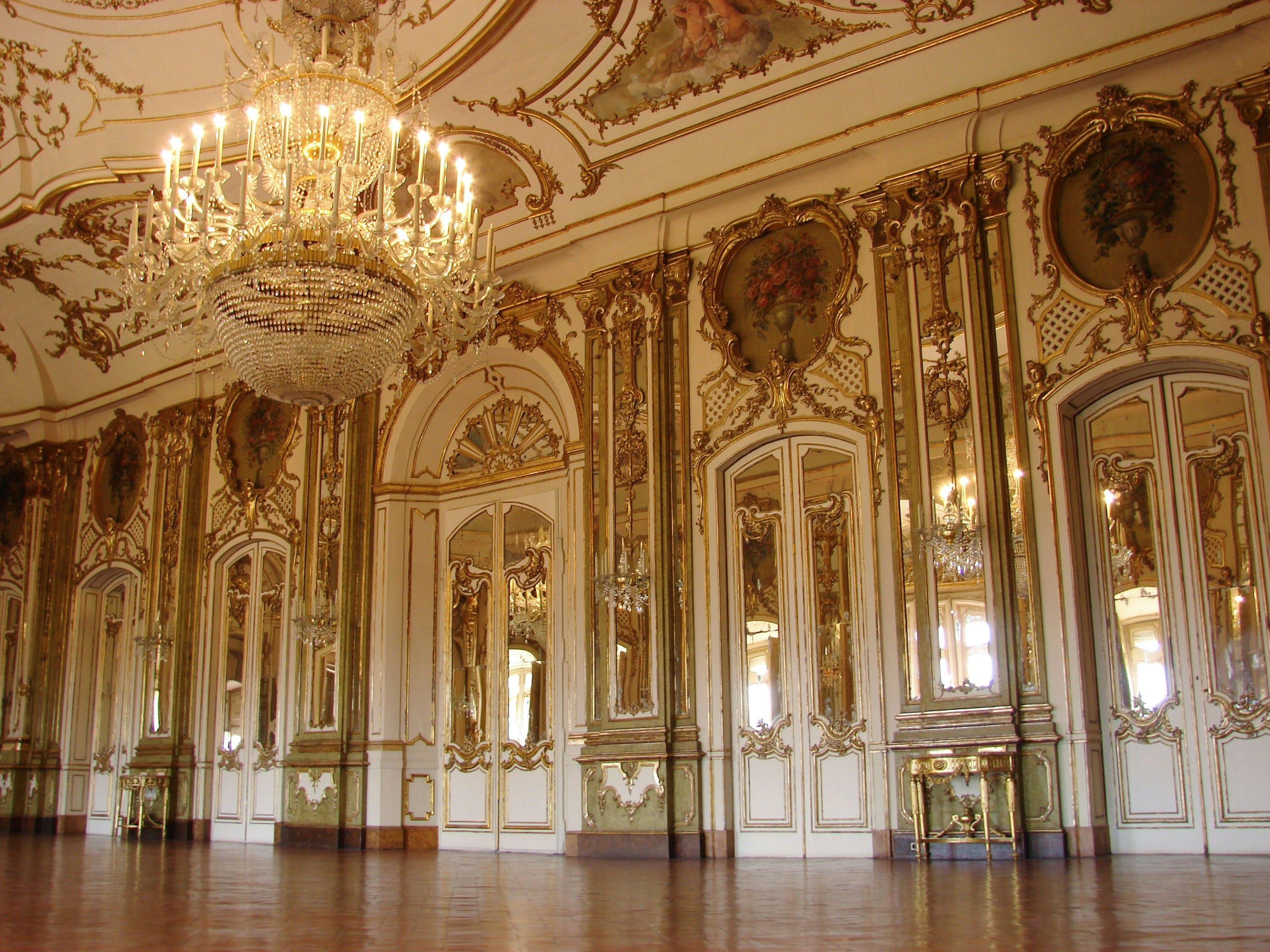
Photo by Diogo Nunes on Unsplash
The White House Correspondents’ Dinner shooting did not expose a need for Donald Trump’s proposed White House ballroom. It exposed how quickly a real act of violence can be repurposed to justify a project that would not have solved the problem in the first place.
What happened
On April 25, 2026, a gunman from California breached the security perimeter outside the White House Correspondents’ Dinner at the Washington Hilton and was stopped by the Secret Service before reaching the ballroom where the event was taking place. Reports described the suspect as heavily armed, and subsequent coverage said authorities believed he intended to target members of the Trump administration.
That part matters. The incident happened at the Hilton, where the annual dinner is held, because it is a large event with extensive press, celebrity, political, and logistical attendance. The proposed Trump ballroom is a separate White House project, described in coverage as a roughly 90,000-square-foot facility with a price tag around $400 million. The attack, therefore, did not demonstrate that the dinner would have been safer inside the proposed ballroom, because the event was not being held there and, as covered, the administration is using the attack to support a project that was already politically contested.
The speed of the pivot
Within a day, administration allies and Justice Department officials were using the shooting to argue that the National Trust for Historic Preservation should stop fighting the ballroom plan. PBS reported that Acting Attorney General Todd Blanche called the Washington Hilton “demonstrably unsafe” and said, “It’s time to construct the ballroom.”
That argument depends on blurring two different questions: whether a violent incident occurred, and whether a ballroom at the White House would have prevented it. Coverage after the shooting noted that security experts said the system worked as intended because the attacker was intercepted before reaching the ballroom crowd. If existing protocols stopped the attacker before he reached attendees, then the incident becomes weak evidence for a costly construction project presented as a security necessity.
A vanity project dressed up as public safety
The ballroom push was controversial before the shooting, and it remains controversial now. NBC reported that Republicans themselves are split on whether taxpayers should fund the ballroom, while some argue that Trump should pay for it privately or raise private donations. That matters because a serious national security proposal usually begins with a clear threat assessment, operational analysis, and demonstrated need, not with a rush to rebrand a politically divisive building project after a traumatic event.
This is what manufacturing a security crisis can look like in practice. A real danger occurs, fear spikes, and political actors immediately attach that fear to a preexisting agenda item. The public is then asked to treat emotional urgency as proof of policy logic.
The school violence comparison
The weakness of the ballroom argument becomes obvious the moment it is applied anywhere else. The United States has experienced repeated school shootings over decades, and no serious person would argue that the answer is to build a ballroom in every school. A violent event does not automatically validate any construction proposal that can be rhetorically tied to “security.”
If a school experiences gun violence, the response has to be tied to the facts of the threat: entry points, weapons access, warning failures, emergency communication, staffing, intervention, and community prevention. The same logic should apply here. If the administration wants to make a security case for changing how major events are hosted, it should explain specifically why the White House ballroom would have prevented this attack, how the site would handle the dinner’s scale, and why that option is better than improving screening and perimeter control at existing venues.
The event-size problem
There is also a practical question that has been buried under the rhetoric. The White House Correspondents’ Dinner is a large annual event held at the Washington Hilton, not a modest gathering that simply needs a different room. The proposed Trump ballroom has been framed as a major White House addition, but the current argument skips over whether the correspondents’ dinner, with its press corps, guests, staging, service operations, and production needs, would even be realistically hosted there.
That omission is telling. If the ballroom is too small, too impractical, or too politically restrictive for the event as it actually exists, then the shooting is being used to sell an unrelated project. In that case, the language of “security” does not clarify the debate. It is obscuring it.
What this really shows
What happened at the correspondents’ dinner was serious. It should prompt scrutiny of threat detection, perimeter security, and the conditions that allowed an armed man to get as close as he did. But the available reporting does not show that Trump’s ballroom would have solved the problem, and some of the reporting cuts the other way by stressing that the protective system successfully stopped the attacker before he reached the crowd.
That is the core issue. When leaders use a shocking event to revive a disputed pet project, the public should ask whether the proposal addresses the real failure or simply benefits from the fear the failure created. A security argument should have to prove more than emotional resonance. It should have to prove relevance.