
One Voice, One Vote: Reimagining Democracy in a Digital Age

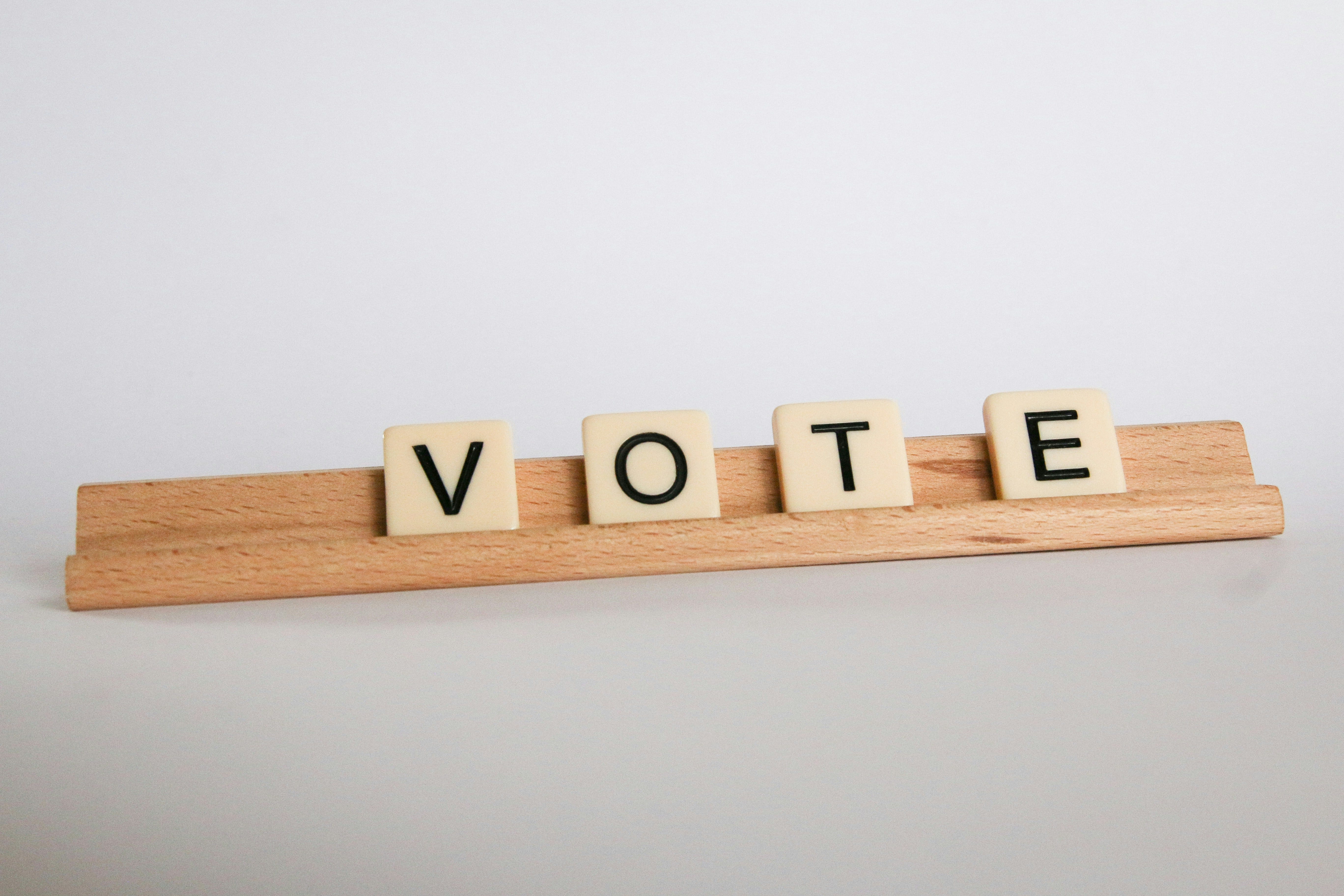
From time to time, I’ll be sharing pieces like this, not tied to breaking news or crisis moments, but grounded in my honest beliefs about where our country could grow stronger. These reflections are about possibility, not party. They’re my way of stepping back from the noise to imagine what a healthier, more participatory democracy could look like.
For as long as I can remember, we’ve been told that democracy is built on the idea that every voice matters.
Yet somewhere along the way, that promise began to feel like an illusion.
We vote every few years. We cast ballots for people we barely know. Then we hand over our voices to institutions that too often answer to donors, party leadership, or lobbyists long after Election Day has passed.
It’s no wonder so many people feel disconnected or defeated.
But what if participation didn’t end at the ballot box?
What if technology finally allowed us to build a democracy that reflects the will of the people in real time, not filtered through billion-dollar campaigns or partisan machinery, but shaped directly by citizens themselves?
That’s the heart of e-democracy.
At its core, e-democracy uses secure digital tools to expand civic participation. Instead of limiting public input to elections every few years, citizens could engage continuously, reviewing proposals in plain language, participating in open forums, and voting directly on policies that affect their daily lives.
Not as spectators.
As participants.
This isn’t about abolishing representative government overnight. It’s about modernizing democratic engagement in a world that has already gone digital.
We shop online. We bank online. We work online. We organize online.
Yet our political systems still operate largely as they did centuries ago.
Imagine logging into a secure civic platform, reading proposed legislation in accessible language, seeing arguments for and against, engaging with neighbors, and casting your vote on specific issues rather than just candidates.
Imagine policies shaped by collective input instead of corporate access.
This isn’t theoretical. Versions of digital governance already exist. Countries like Estonia have built national digital infrastructure that allows citizens to access government services and vote securely online. Participatory budgeting, where residents directly decide how public funds are spent, began in Porto Alegre and has since spread globally. Ireland has used citizen assemblies to guide national policy on complex social issues.
None of these systems are perfect.
But they demonstrate something essential:
Democracy doesn’t have to be static.
Of course, critics raise valid concerns. What about misinformation? Security? Civic knowledge? Division?
Those questions matter. They deserve serious attention.
But they’re not new.
Every major democratic expansion, universal suffrage, civil rights, and direct elections, was met with the same skepticism. Every generation has faced its own version of this can’t be done.
And yet, here we are.
E-democracy isn’t a fantasy. It’s a challenge.
It asks us to trust ordinary people with shared responsibility. It asks us to design technology around civic values instead of profit incentives. It asks us to move from passive consent to active participation.
Most of all, it asks us to remember what democracy was always meant to be.
Not a spectator sport.
Not a transaction every few years.
But a living system, built, maintained, and protected by the people themselves.
Because the future of democracy doesn’t belong to the few who can buy influence.
It belongs to the many who are willing to build something better.
Author’s Reflection
I don’t claim ownership of the One Voice, One Vote idea. It isn’t mine.
It’s simply a vision I deeply believe in, one that reminds me what democracy was always supposed to mean: government of, by, and for the people.
I write not as a politician or policy expert, but as a citizen who still believes democracy can evolve.
And that it must.