
War Powers, Escalation, and the Question of Authority

On Saturday, the United States and Israel launched coordinated strikes on Iran. Iran’s Supreme Leader was killed. Retaliatory strikes have followed across the region. Three American service members are confirmed dead.
This is not a small event. It is not a limited headline cycle. It is the beginning of an armed conflict with regional consequences.
This morning on Facebook, I wrote about the absence of an “off switch.” That wasn’t rhetorical. It was structural.
When military action begins without a clearly defined objective, a measurable victory condition, or a specific endpoint, escalation becomes self-sustaining. Every retaliation justifies a response. Every response widens the scope. The mission expands to match the conflict.
We have seen this pattern before. The geography changes. The mechanism does not.
But there is another issue here that deserves sober attention: authority.
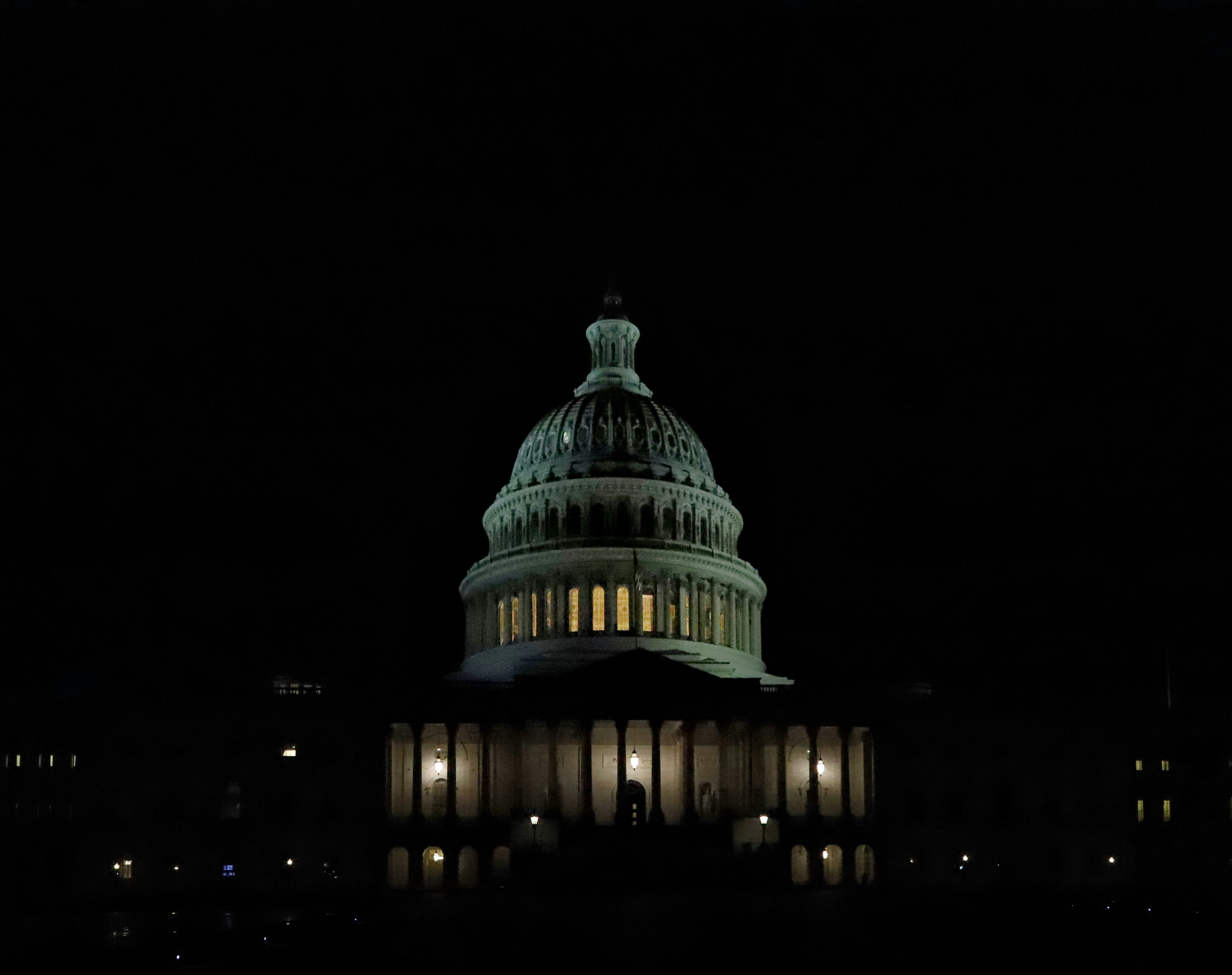
Photo by Bernd 📷 Dittrich on Unsplash
The Constitutional Framework
The Constitution divides war powers deliberately.
Under Article I, Congress holds the power to declare war and fund military action.
Under Article II, the President serves as Commander-in-Chief of the armed forces.
This separation was not accidental. It was designed to prevent unilateral entry into prolonged conflict. The framers understood that war concentrates power, consumes resources, and risks lives. They intended that the decision to commit the nation to sustained armed conflict would require collective deliberation.
In 1973, after Vietnam, Congress passed the War Powers Resolution to reinforce that balance. It allows a president to deploy forces but requires notification within 48 hours and limits sustained engagement to 60 days without congressional authorization. But, only in cases of imminent danger, and as of writing this article, this part has not been fulfilled.
The question is not whether the President can order a strike. The question is whether we are now in an expanding conflict without explicit authorization for war.
If Congress has not declared war, and if no new Authorization for Use of Military Force (AUMF) has been debated and passed, then we are operating in a constitutional gray zone during a moment of escalating violence.
That should concern people across the political spectrum.
The Escalation Loop
Once blood is shed on both sides, the logic of escalation takes hold.
Strike.
Retaliation.
Counterstrike.
Expanded regional involvement.
Justification framed as defense.
At that point, restraint becomes politically difficult. Withdrawal is framed as weakness. Measured response becomes escalation by default.
This is how conflicts grow.
Without a clearly articulated objective and exit strategy, “mission creep” is not dramatic; it is procedural. It happens through incremental decisions, each defensible in isolation, but cumulatively transformative.
And when those decisions are concentrated in one office, without visible congressional consent, the structural guardrails weaken.
The Intelligence and Accountability Gap
Another concern emerging in early reporting is the potential gap between public justification and classified briefings to Congress.
If there is divergence between what is being stated publicly and what members of Congress were told in secure briefings, that matters. Transparency does not require broadcasting operational details. But it does require coherence between justification and intelligence.
When the American public is asked to accept risk, cost, and loss of life, the reasoning must be clear and consistent.
Why This Matters
This is not about defending Iran. It is not about partisan loyalty. It is not about scoring points in a news cycle.
It is about whether the constitutional system still functions as designed in moments of crisis.
If a president can move the nation into sustained armed conflict without explicit congressional authorization, without a declared objective, and without defined limits, then the balance of war powers shifts in practice, regardless of what the text says.
That is a dangerous precedent.
War is the most serious action a government can take. It should not unfold solely through executive momentum.
Process is not a technicality. It is the guardrail.
And guardrails matter most when the road turns sharp.