
We may have a “new world,” but we have “the same Constitution.”
Birthright Citizenship, Trump, and the 14th Amendment

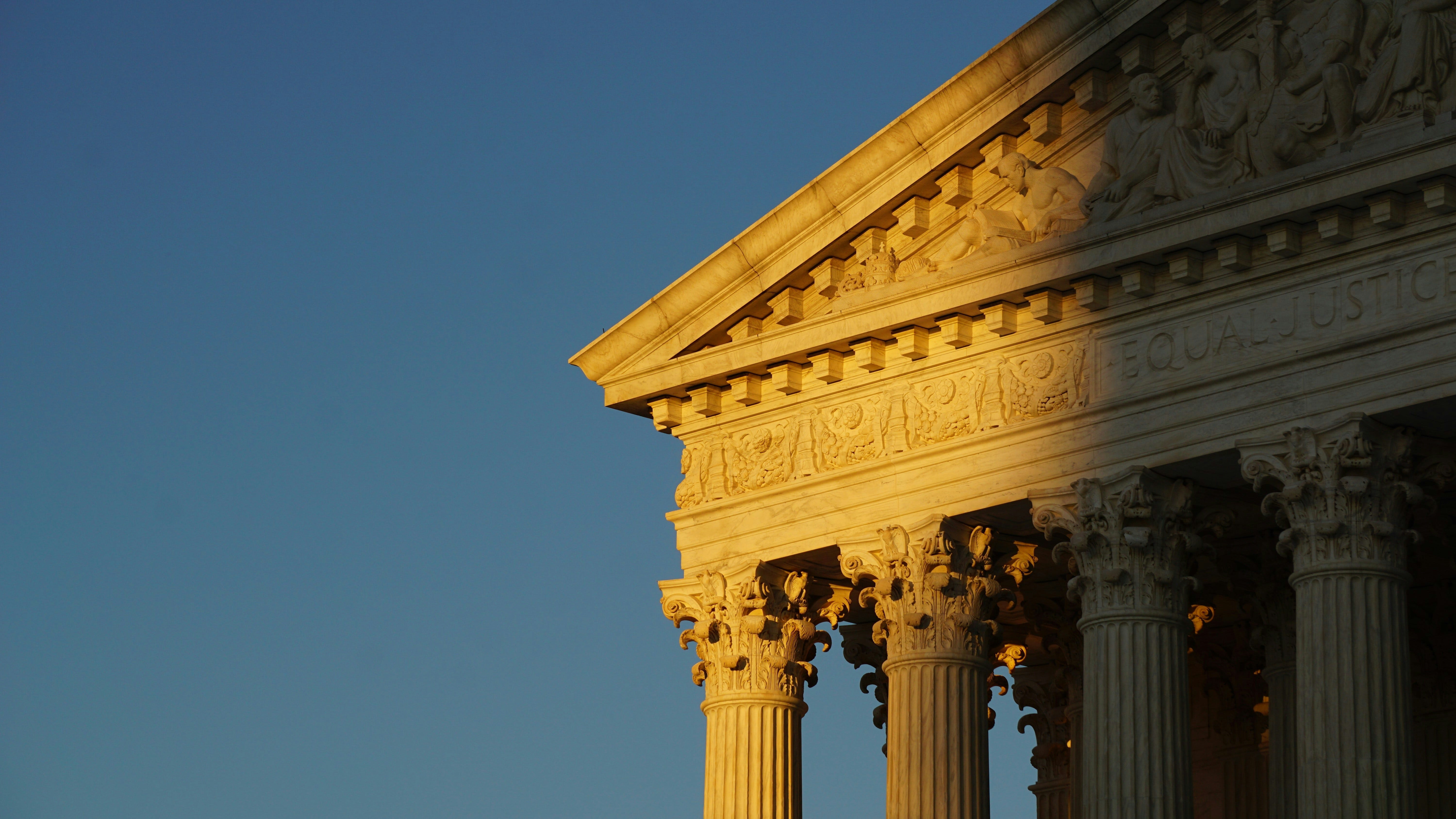
If you feel like every pillar of “basic” American citizenship is suddenly up for debate, you’re not imagining things. Yesterday, the Supreme Court heard arguments on whether Donald Trump can rip up a 150‑year‑old constitutional guarantee with a pen and a press conference. Just putting that sentence together is infuriating.
On day one of his second term, Trump signed an executive order to end birthright citizenship for the children of undocumented immigrants and even for people here legally on temporary visas; students, workers, visitors. That order has been blocked by every federal court that looked at it, with one judge calling it “blatantly unconstitutional,” and yet here we are: the Supreme Court is now being asked whether the president can redefine who counts as American.
This is not a close call on the law. It is a stress test of whether our institutions will say “no” when a president tries to rewrite the Constitution to match his campaign slogans.
What happened at the Court
The case the justices heard, Trump v. Barbara, is the latest chapter in the fight over that executive order, charmingly titled “Protecting the Meaning and Value of American Citizenship.” In reality, the order would strip citizenship from children born here if their parents are undocumented or here only temporarily, babies who, under a century of precedent, are just as American as anyone else born in a U.S. hospital.
Trump’s lawyers came in with a familiar pitch:
The 14th Amendment’s citizenship clause was mainly about formerly enslaved people, not everyone.
Historically, they claim, children of “temporary visitors” weren’t treated as citizens.
Other countries don’t have birthright citizenship, and this supposedly “rewards” illegal immigration and “birth tourism.”
The justices did not sound overwhelmingly impressed.
A majority, from different ideological wings, seemed skeptical that this executive order could be squared with the actual text of the 14th Amendment and with the Court’s own landmark 1898 decision in United States v. Wong Kim Ark. That case held that a man born in San Francisco to Chinese parents was a U.S. citizen, even though his parents were not. The Court said the citizenship clause “affirms the ancient and fundamental rule of citizenship by birth within the territory,” covering “all children here born of resident aliens,” and it made clear the Amendment wasn’t restricted “by color or race.”
In other words, the whole point after the horror of Dred Scott was to establish a clear rule: if you are born here and subject to U.S. jurisdiction, you are a citizen.
Trump’s team tried to wriggle out of that. They told the Court that Wong Kim Ark is really about “domicile”, that his parents were permanent residents, so the decision doesn’t protect kids whose parents are here temporarily or without papers. Several justices, including Chief Justice Roberts and Justices Alito and Thomas, poked at the word “domicile” because it appears multiple times in the opinion, while others, like Justices Gorsuch, Kagan, and Kavanaugh, highlighted that the broader logic of Wong Kim Ark points toward a simple rule: born here = citizen.
Cecillia Wang, arguing for the challengers, leaned into that logic. She reminded the Court that, for over a century, the United States has operated under the understanding that “everyone born here is a citizen,” with only narrow exceptions, such as children of foreign diplomats. The 14th Amendment created a bright‑line rule that is “workable” and prevents manipulation by politicians who suddenly decide certain babies don’t count.
At one point, Kavanaugh basically said the quiet part out loud: if the Court accepts the challengers’ interpretation of Wong Kim Ark, they win, and the Court could write a fairly short opinion. That is not the language of a Court itching to bless Trump’s order.
“New world,” same Constitution
Trump’s solicitor general also leaned heavily on vibes: birth tourism, fears about “a whole generation of American citizens abroad with no meaningful ties to the United States,” and the fact that many other countries don’t have birthright citizenship.
Roberts was having none of it. He pressed on how common “birth tourism” actually is, got the answer that “no one knows for sure,” and then pointed out that this concern had “no impact” on the legal question because birth tourism wasn’t a thing when the 14th Amendment was written. When the government tried to retreat to “we live in a new world,” Roberts came back with the line that should be the headline: we may have a “new world,” but we have “the same Constitution.”
Kavanaugh similarly brushed aside the argument about what other countries do, calling that a “policy matter” and saying the Court’s job is to interpret American law with American precedent and American history. Translation: “other countries don’t do this” is not a legal argument; it’s a talking point.
Justice Sotomayor raised a different alarm bell: if you accept the logic that a president can exclude certain people from birthright citizenship now, what stops a future administration from making that retroactive, as has happened in the past with Native Americans? Trump’s lawyer insisted they only want to apply the order going forward, but could not say their theory couldn’t be used retroactively, which should make everyone’s skin crawl.
This is the part where a little ranting is justified: when you are asking the Court for a theory of citizenship that could help justify stripping people of citizenship they already have, your project is not “protecting” the value of American citizenship. It is putting a legal target on the backs of entire communities.
The 14th Amendment is not ambiguous
Underneath all the technical back‑and‑forth is a simple reality the Court has repeatedly recognized: the citizenship clause was drafted to slam the door on Dred Scott and any future attempt to treat people born here as permanent outsiders. It reads: anyone “born in the United States, and subject to the jurisdiction thereof” is a citizen.
There are a few narrow exceptions: children of foreign diplomats, some enemy occupiers, that kind of thing. What Trump is trying to do is expand those narrow exceptions into a massive new category of “people born here but not really American,” based purely on who their parents are and whether they had the “right” paperwork at the moment of birth.
Courts across the country saw that for what it is and blocked the order. Judge Coughenour in Seattle called it “blatantly unconstitutional.” Another judge in New Hampshire said it likely contradicts the Fourteenth Amendment and “century‑old untouched precedent” interpreting it. This is not some rogue liberal blog saying that; these are Article III judges reading the same Constitution Trump swore an oath to uphold.
If this sounds extreme, it’s because it is. You cannot preach “law and order” while also arguing that the president can, on his own, erase constitutional text and 100‑plus years of Supreme Court case law because it polls well with your base.
Why this case never should have been necessary
The silver lining is that, based on yesterday’s argument, the Court looks likely to reject this executive order and reaffirm, either directly through the 14th Amendment or through the Immigration and Nationality Act, that being born here still means something. Kavanaugh openly floated the idea of deciding the case under the statute (which uses the same “born in the United States, and subject to the jurisdiction thereof” language), as a way to avoid even having to reopen constitutional questions.
But the fact that we had to run this experiment at all is what should make us angry.
This case sends a message: with enough will and the right lawyers, presidents can take core constitutional guarantees and say, “What if we just… didn’t?” Even if Trump loses, he has still moved the Overton window. He has still turned the citizenship of children, literal babies, into a partisan wedge and invited future presidents to see what else they can “reinterpret” by executive order.
That’s the “already won” dynamic some commentators are warning about: the legal loss doesn’t fully undo the political damage of normalizing the idea that equal citizenship itself is negotiable.
What’s at stake for democracy
Citizenship is the foundation underneath every other right we talk about, such as voting and equal protection. If a president can decide that millions of people born here aren’t actually citizens because he doesn’t like their parents’ status, then no one’s rights are as secure as we think they are.
This is why it matters that the Court not only rules against Trump’s order, but does it in a way that clearly reaffirms the bright‑line rule from Wong Kim Ark and the 14th Amendment: everyone born here, subject to our laws, is a citizen. No asterisk for your parents’ visa category. No footnote for whatever Fox segment the president just watched.
We like to tell ourselves that the Constitution will “hold.” But documents do not enforce themselves. People do. Judges, lawyers, activists, journalists, and yes, regular citizens paying attention from their kitchen tables. The fact that you’re reading about a Supreme Court argument over whether the president can cancel birthright citizenship by memo is itself a reminder: democratic guardrails only work when we notice they’re being tested and push back.
This case should end with a clear answer and a firm “no.” The question is whether we learn the bigger lesson, that we cannot afford to treat the basic definition of who counts as American as just another campaign stunt.
Thanks for reading. Here is my same-day reaction to this as well from yesterday.