
Why Does Our Government Move So Slow?
and what happens when the people get fed up.

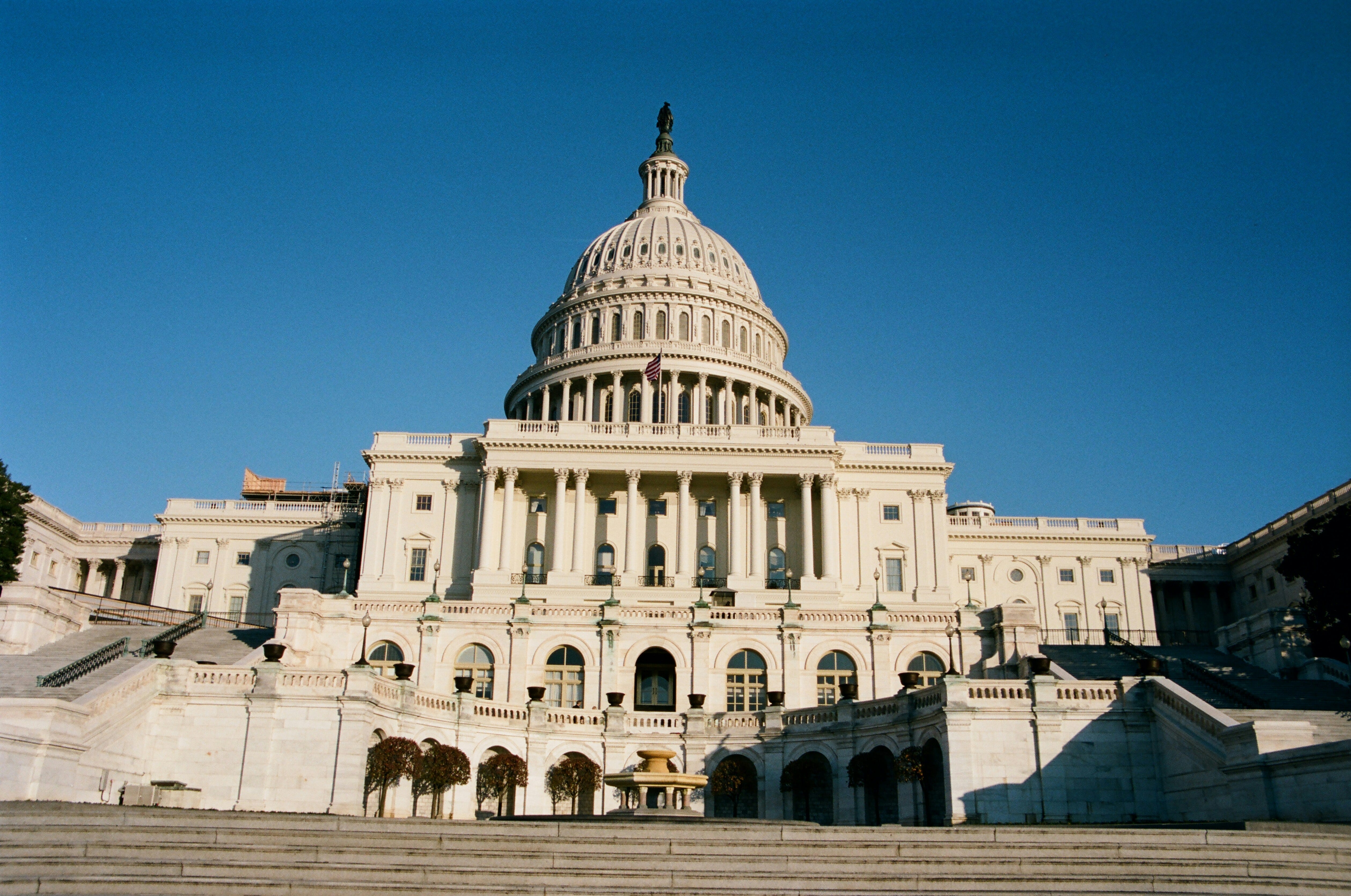
Photo by Chad Stembridge on Unsplash
Every week, my inbox fills with messages like, “Patty, how are they getting away with this?” or “Isn’t that straight-up unconstitutional?”
If you have had these thoughts, you’re not alone. People are watching the news, the lingering court fights over last year’s “Liberation Day” tariffs, DHS officials getting scolded by judges for ignoring court orders, and Congress seemingly doing nothing in response, and it feels like the rules don’t matter anymore.
But here’s the weird truth: part of what you’re seeing is the Constitution still doing its job… just at a snail’s pace.
The System Is Built for Friction
Checks and balances sound noble in civics class. In real life, they feel like watching paint dry on a sinking ship.
The Founders actually wanted it that way. They were allergic to fast power, kings, coups, snap decisions, so they built a system that forces power to argue with itself. Three branches, each with the power to slow or stop the others.
So when the current administration slapped on those “Liberation Day” tariffs without proper authorization, and the courts didn’t strike them down immediately, that wasn’t inaction; that was the process grinding forward like an old gear set. Weeks of filings, months of hearings, and only then a ruling saying, “Nope, you can’t do that.”
It’s maddening. But if the courts could instantly reverse executive moves, worse leaders could instantly weaponize them, too. Democracy’s brakes have to work both ways.
When Checks Start to Feel Like Excuses
Of course, there’s a fine line between careful and cowardly.
When DHS openly ignored federal court orders on asylum processing late last year, critics weren’t wrong to say the system seemed broken. Judges can issue rulings, but they rely on executive agencies to carry them out, and that follow‑through can lag for months or longer.
And every delay chips away at public faith. People see the law being “interpreted” rather than enforced, and they start to wonder whether the whole idea of checks and balances is just political theater.
And Then There’s Congress… Doing What, Exactly?
If the courts are slow and the executive branch drags its feet, Congress is basically standing still.
The one branch with the power to investigate, legislate, and, frankly, stop the nonsense has spent the better part of the last year holding hearings that go nowhere and passing fewer major bills than any session in decades.
While agencies stretch constitutional limits and the courts slog through appeals, lawmakers posture for cameras. The checks‑and‑balances system only works if each branch actually does its job, and right now Congress seems more interested in political theater than oversight.
Representation was supposed to mean action, the people’s branch making sure the system stays balanced. But gridlock, partisan warfare, and endless procedural games mean that even when the public is shouting for accountability, the gears don’t move an inch.
The result? Power tends to drift toward the executive by default. When Congress won’t act, presidents fill the vacuum. And that’s how democracies slowly drift toward imbalance, not with a coup, but with Congress shrugging from the sidelines.
The People Are Done Waiting
That frustration is exactly what’s spilling into the streets.
The protests that have filled city centers and state capitals over the past few months aren’t some random outburst; they’re the public’s version of a constitutional check. When institutions stall or go silent, the people themselves become the pressure valve.
You can feel why folks are angry. They’ve watched officials dodge subpoenas, court rulings go unenforced, and Congress hold “accountability hearings” that produce more soundbites than solutions. At some point, people stop waiting for permission to demand action.
It’s easy for leaders to dismiss protests as chaos. But in a democracy, protest is a form of participation, the one check that doesn’t depend on a committee hearing or a court date. It’s how citizens remind the government: you work for us.
The system only holds if ordinary people care enough to keep showing up, even when it feels futile, even when the powerful hope they’ll get tired and go home.
The Built‑In Tension
We’re living through one of those moments when checks and balances feel like a tug‑of‑war in slow motion.
Every subpoena ignored, every court ruling delayed, every tariff still in legal limbo, those are symptoms of a system under strain, not total collapse. It’s messy because democracy is messy. The gears turn painfully slow, but when they stop turning altogether, that’s when we’re in real danger.
So yeah, it’s okay to be pissed off watching all this unfold. You should be. But the answer isn’t scrapping the machinery, it’s fixing it, oiling the gears, and insisting the rules apply again, even if they take their sweet time to kick in.
Democracy’s not supposed to sprint. But it damn well needs to move.
Which part of the government’s slow‑motion circus drives you the most nuts, and what’s one reform you’d actually want to see to speed it up without breaking it?